
Most students think communication just means talking.
They assume if they can hold a conversation with friends, they are already good communicators. But professional communication is different.
It is more intentional.
It requires clarity, timing, and awareness of how your message affects other people. In school, communication might seem simple. In professional settings, it becomes one of the most important skills you can have.
Students who develop strong communication habits early often stand out quickly. Teachers trust them more. Teammates rely on them. Employers notice them almost immediately.
The difference is not personality.
It is how clearly and effectively they communicate.
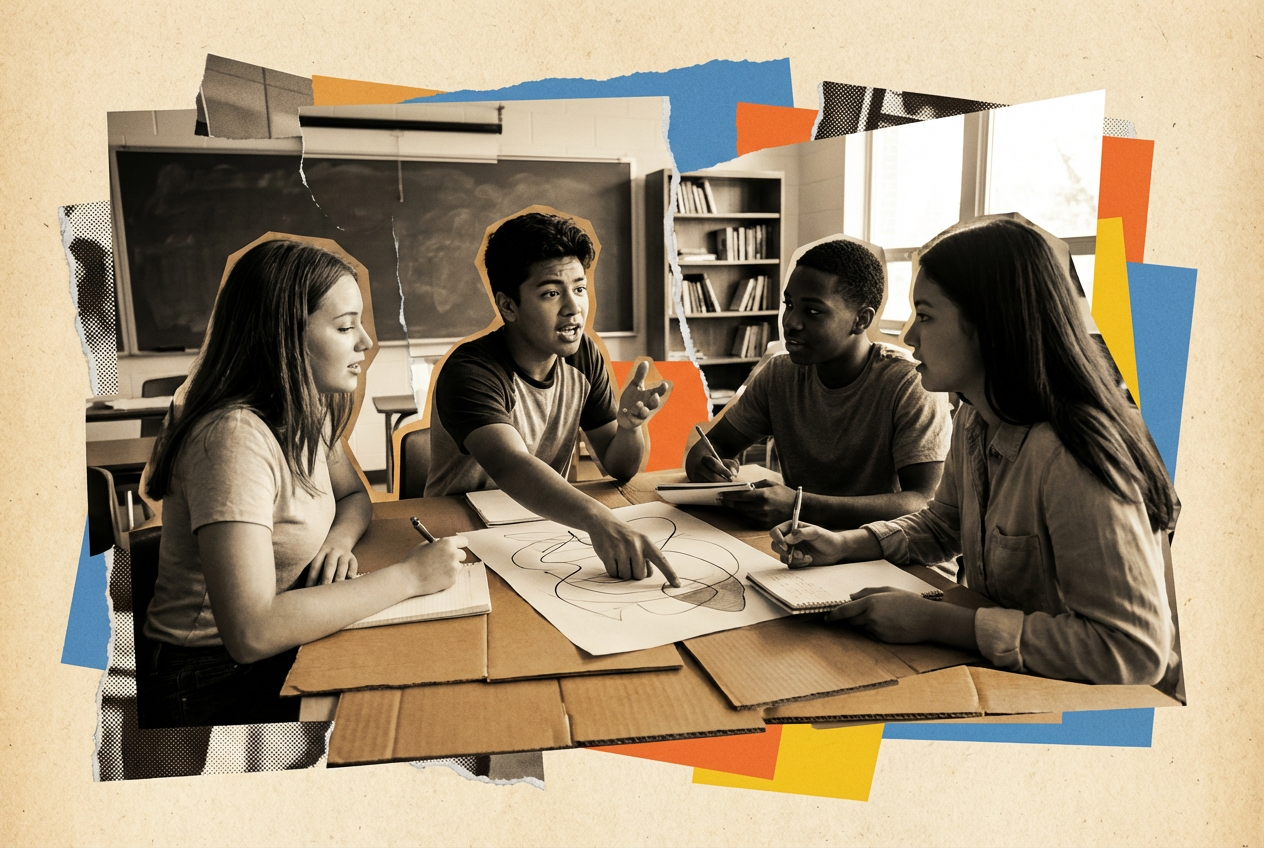
Think about a group project where instructions are unclear.
One student assumes everyone understands the plan. They start working without confirming anything. Another student is confused but does not ask questions. A third student completes the wrong part of the assignment.
By the time the group meets again, the project is off track.
Now time is lost.
Now stress increases.
Now the group has to fix mistakes that could have been avoided.
This situation happens often, and it usually comes down to one problem.
Poor communication.
Now imagine a different approach.
One student asks, “Can we quickly confirm what each person is responsible for?”
They restate the plan, clarify deadlines, and make sure everyone understands.
That small moment changes everything.
Clear communication prevents problems before they begin.
Professional communication starts with clarity.
Many students speak or write in ways that leave room for confusion. They assume others understand what they mean, but they do not always check.
Clear communicators make their message easy to understand.
They use simple, direct language. They avoid vague instructions. They confirm that others understand what is expected.
In school, this might mean explaining your role in a group project clearly or asking a teacher for clarification when instructions are unclear.
In professional environments, clarity becomes even more important.
Miscommunication can delay projects, create mistakes, and damage trust.
Clarity saves time.
Listening is another critical communication skill that many students overlook.
Most people focus on what they want to say instead of fully understanding what others are saying.
Strong communicators listen carefully.
They pay attention, ask follow up questions, and make sure they understand before responding.
In group work, listening helps students understand different perspectives. In professional settings, it helps employees follow instructions correctly and respond to problems more effectively.
Listening shows respect.
It also improves accuracy.
Another key part of professional communication is timing.
When you communicate matters just as much as what you say.
Waiting too long to share information often creates bigger problems.
For example, if you are confused about an assignment and wait until the night before it is due to ask for help, your options become limited.
If you communicate early, you have time to adjust.
The same principle applies in workplaces.
Employees who communicate problems early are seen as responsible. Those who wait until the last minute often create unnecessary stress for others.
Timely communication builds trust.
Tone also plays an important role in communication.
The way something is said can affect how it is received.
A message that sounds rushed, unclear, or disrespectful can create confusion or tension, even if the content is correct.
Professional communication uses a respectful and direct tone.
Students can practice this in everyday situations.
When messaging teammates, writing emails, or speaking in class, tone affects how others respond.
A respectful tone encourages cooperation.
A careless tone can create resistance.
Written communication is another skill students should develop early.
Many professional environments rely heavily on written communication through emails, messages, and reports.
Students often write quickly without reviewing their work.
This can lead to unclear messages, missing information, or mistakes.
Strong written communication includes clear structure, correct grammar, and complete information.
Before sending a message, it helps to review it.
Does it explain the purpose clearly?
Does it include necessary details?
Would someone else understand it easily?
These habits improve communication quality.
Confidence also affects communication.
Some students hesitate to speak up because they are unsure of their ideas. Others avoid asking questions because they do not want to appear confused.
Professional environments require people to communicate clearly and confidently.
Confidence does not mean speaking the most or dominating conversations.
It means being willing to contribute, ask questions, and express ideas when needed.
Students who practice this skill early become more comfortable in professional situations later.
Confidence grows through practice.
Another important communication skill is adaptability.
Different situations require different communication styles.
Talking with friends is different from speaking with teachers. Communicating with a manager is different from communicating with coworkers.
Strong communicators adjust their approach based on the situation.
They understand when to be formal, when to be direct, and when to ask questions.
Adaptability makes communication more effective.
Students who learn this skill early can navigate different environments more easily.
Communication is not a single skill.
It is a combination of habits.
Clarity, listening, timing, tone, writing, confidence, and adaptability all work together.
Students who develop these habits stand out in both academic and professional settings.
They reduce confusion.
They build trust.
They help teams function more effectively.
Over time, these advantages become significant.
Practical Action Steps
• Practice clarity by restating plans and expectations during group work to ensure everyone understands
• Ask questions early when something is unclear instead of waiting until the last minute
• Review written messages before sending them to make sure they are clear and complete
Strong communication is one of the fastest ways to build trust.
People notice when you make things clear instead of confusing. They notice when you ask questions instead of guessing. They notice when you communicate early instead of waiting.
These behaviors signal reliability.
Students who develop communication skills early often find that opportunities come more easily.
Not because they are louder.
But because they are clear.
Research Insight
Research from the American Psychological Association shows that effective communication skills are strongly linked to academic success and workplace performance. Students who develop clear communication habits demonstrate better collaboration, reduced conflict, and improved problem solving.
The research also indicates that communication skills improve with practice, meaning students who start early gain long term advantages.
- Do you usually confirm understanding in group work, or assume everyone is on the same page?
- When something is unclear, do you ask questions early or wait too long?
- How could improving your communication change the outcome of your next group project?