
Most students think leadership means being the loudest person in the room.
They picture someone giving speeches, running meetings, or holding an official title.
But real leadership in high school rarely looks like that.
Most leadership moments happen quietly. They show up when a group project starts falling apart and someone steps in to organize the work. They appear when a student follows through on responsibilities while others lose focus. They appear when someone chooses discipline over convenience.
Leadership is not about personality.
It is about behavior.
The habits you build in high school shape how people trust you, rely on you, and respect your work. Students who start developing leadership skills early build an advantage that carries into college, careers, and adult life.
The good news is that leadership skills are not mysterious. They are practical abilities that anyone can develop with consistent effort.
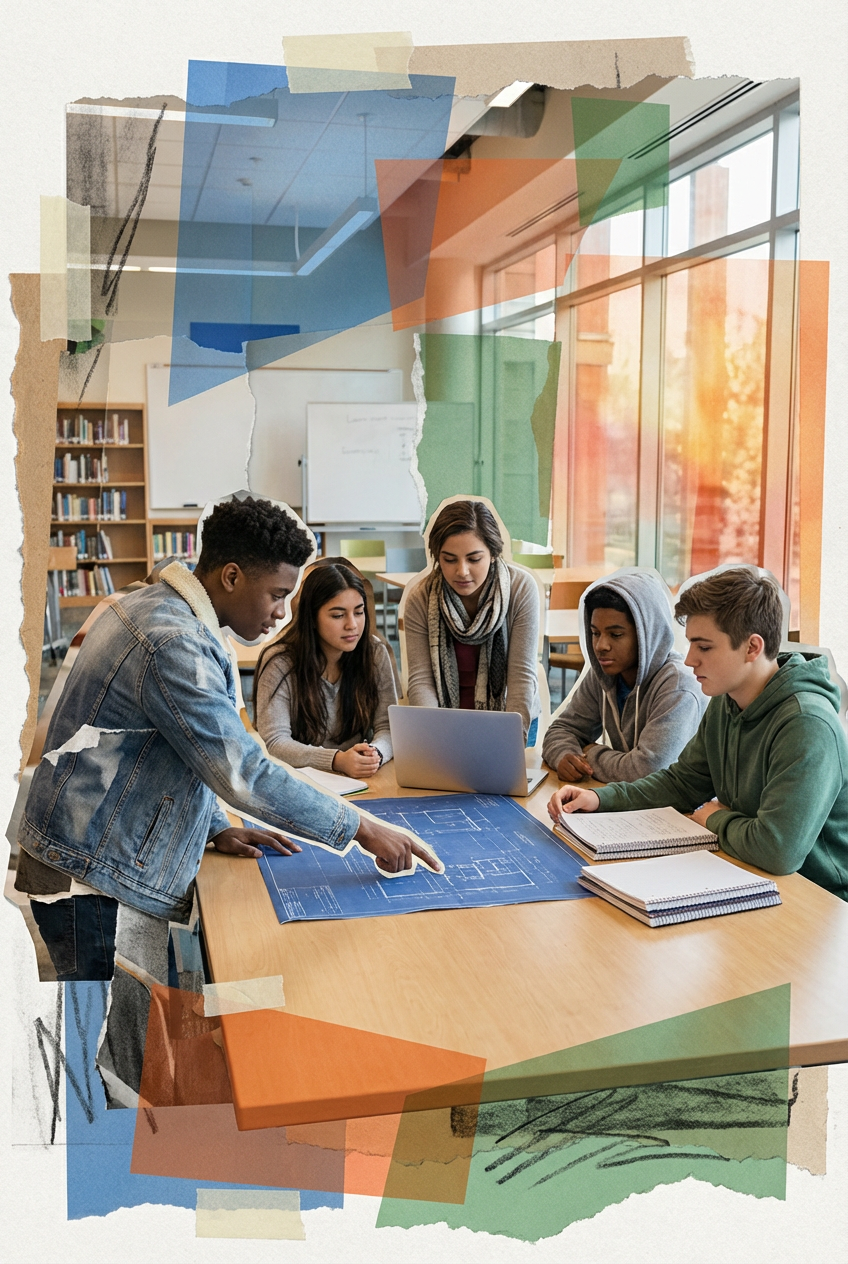
Imagine a group project assigned in class.
Four students are placed on the same team, and the project will count for a large portion of the final grade.
At the beginning, everyone agrees on a plan. Tasks are divided and deadlines are set.
A few days pass.
One student forgets their part. Another student does a rushed version of their section the night before the deadline. Someone else stops responding to messages.
Now the project is in trouble.
At this moment, something interesting happens. Someone usually steps forward and begins organizing the situation.
They review the unfinished work. They message the group. They divide responsibilities again and make sure the final project comes together.
The teacher notices.
Classmates notice.
Over time, that student becomes the person people rely on when work needs to get done.
That is leadership.
It does not begin with titles. It begins with actions.
Responsibility is the foundation of leadership.
Responsible students follow through on commitments without constant reminders. When they agree to complete a task, they understand that others are depending on them.
In school, responsibility might look like finishing your work on time, showing up prepared for a meeting, or completing a project even when the work becomes difficult.
Leaders manage themselves.
When people consistently see you follow through, they begin trusting you with larger responsibilities. That trust becomes the starting point for leadership opportunities.
Discipline is another essential leadership skill.
Many students rely on motivation to complete work. The problem is that motivation changes from day to day. Some days you feel focused and productive. Other days distractions take over.
Discipline solves this problem.
Disciplined students work even when they do not feel motivated. They complete tasks because they understand that consistency creates progress.
Teachers, teammates, and future employers quickly recognize disciplined individuals. They know those people can be trusted to complete important work.
Reliability creates opportunity.
Communication is one of the most underrated leadership skills among students.
Many problems in group projects happen because people assume everyone understands the plan when they actually do not.
Strong communicators make expectations clear. They ask questions. They explain ideas in ways others understand.
They also keep people informed. If a deadline changes or a problem appears, they communicate early rather than waiting until the last minute.
Clear communication prevents confusion and keeps teams moving forward.
Leaders make information clear.
Decision making is another skill that develops through practice.
High school students make decisions every day about how they spend time, what responsibilities they accept, and how they respond when challenges appear.
Strong leaders learn to pause and think before reacting. They consider the consequences of their choices and look for solutions that support long term goals.
The more decisions you evaluate carefully, the stronger your judgment becomes.
Leadership grows through experience.
Accountability separates strong leaders from average students.
Accountable students accept responsibility for mistakes instead of blaming others. When something goes wrong, they focus on fixing the problem.
In school settings, this might mean correcting an error in a presentation, admitting a mistake in research, or helping repair a problem within a team.
Owning mistakes builds credibility.
People trust leaders who take responsibility for outcomes.
Problem solving is the final skill that ties leadership together.
School activities constantly present challenges. Plans change, deadlines move, and unexpected problems appear.
Strong leaders focus on solutions.
Instead of complaining about the situation, they ask practical questions.
What needs to happen next?
What resources do we still have?
How can we adjust the plan?
Students who practice solving problems become extremely valuable in group environments.
Practical Action Steps
• Volunteer for responsibility in group assignments instead of waiting for someone else to organize the work
• Communicate clearly with teammates so everyone understands the plan and deadlines
• Build discipline by completing tasks on schedule even when motivation is low
Leadership does not suddenly appear in adulthood.
It develops through small choices made during high school.
Every time you take responsibility, communicate clearly, follow through on commitments, or solve a problem, you strengthen your leadership ability.
Students who build these habits early do not just earn recognition. They become the people others trust when real challenges appear.
And trust is where leadership begins.
Research Insight
Researchers at the Harvard Graduate School of Education studying adolescent development have found that students who take on meaningful responsibility during high school develop stronger decision making and problem solving skills. These experiences help students build persistence and confidence when facing complex challenges later in life.
The research suggests that leadership ability grows through repeated practice. When students regularly manage responsibilities and collaborate with others, they strengthen the social and cognitive skills that support long term success.
Reflection Questions
- When working in a group, do you usually wait for direction or step forward to organize the work?
- Which leadership skill do you need to strengthen the most right now?
- What responsibility could you take on this week that most students would avoid?